Real-Time MCP Threat Detection for Claude and GPT-4 Enterprise Deployments
Platform audit logs miss MCP tool calls, so inspect them first.
Colin Reyes
Section
24 stories in Agent Security.
Platform audit logs miss MCP tool calls, so inspect them first.
Per-agent identities, scoped credentials, and gateway checks limit what a hijacked agent can reach.
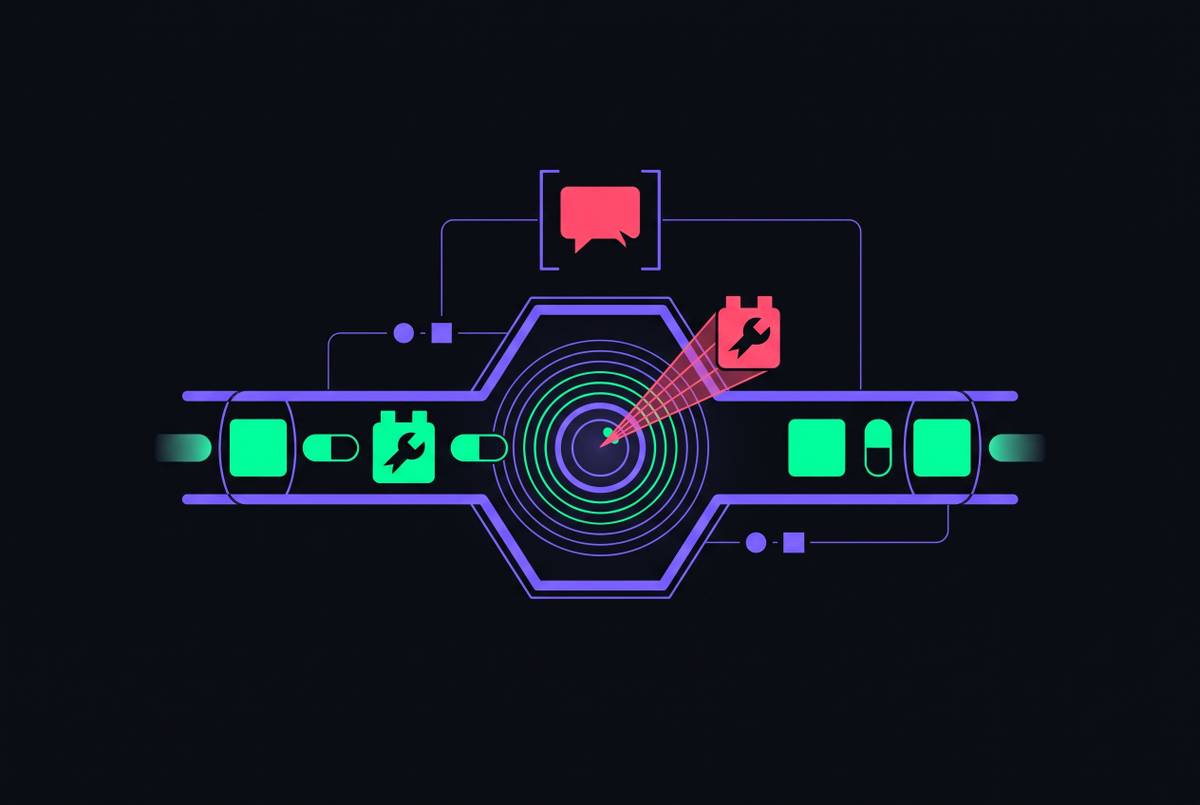
Three pipeline stages need separate detection to block tool poisoning and prompt injection.
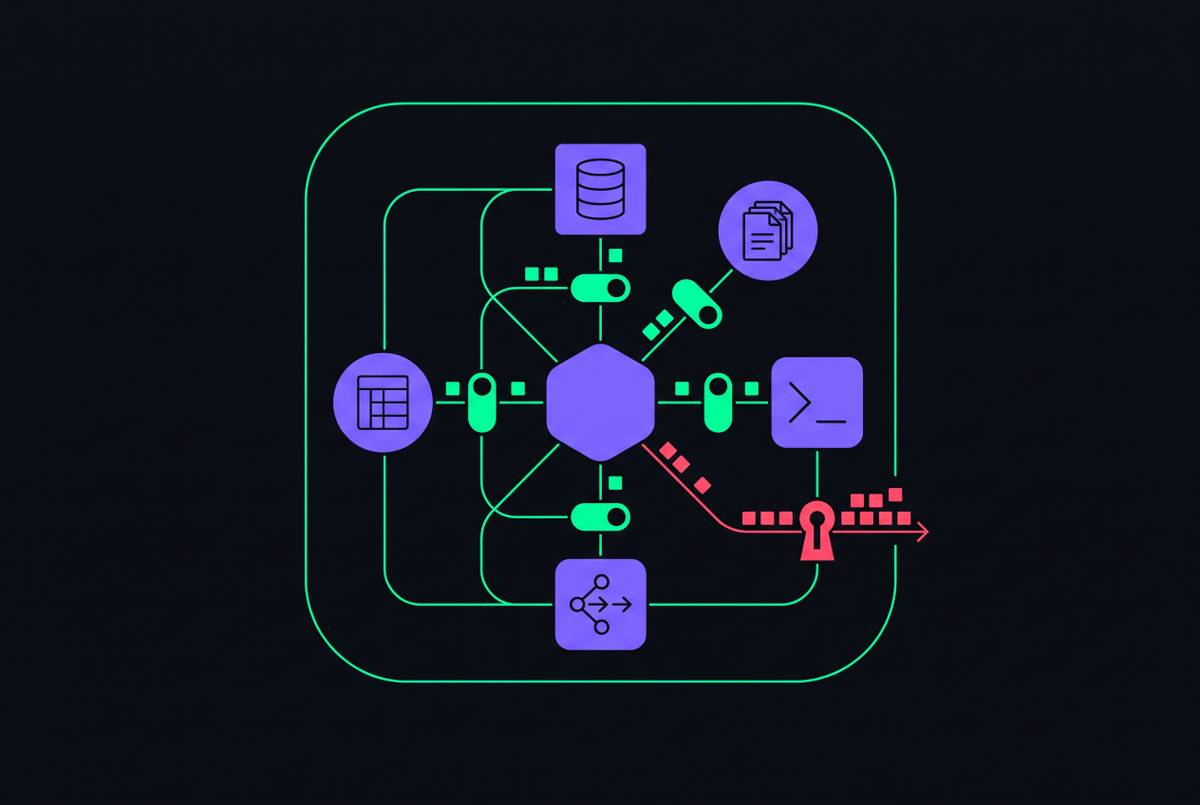
Layered governance controls block data exfiltration through MCP servers.
Continuous scanning and enforcement stop unauthorized MCP servers from escaping governance.
Four detection layers help security teams find and control unauthorized MCP servers.
Enterprises need policy checks at each tool call, not just at connection time.
Boards need metrics that tie agent actions to named owners and measurable control thresholds.
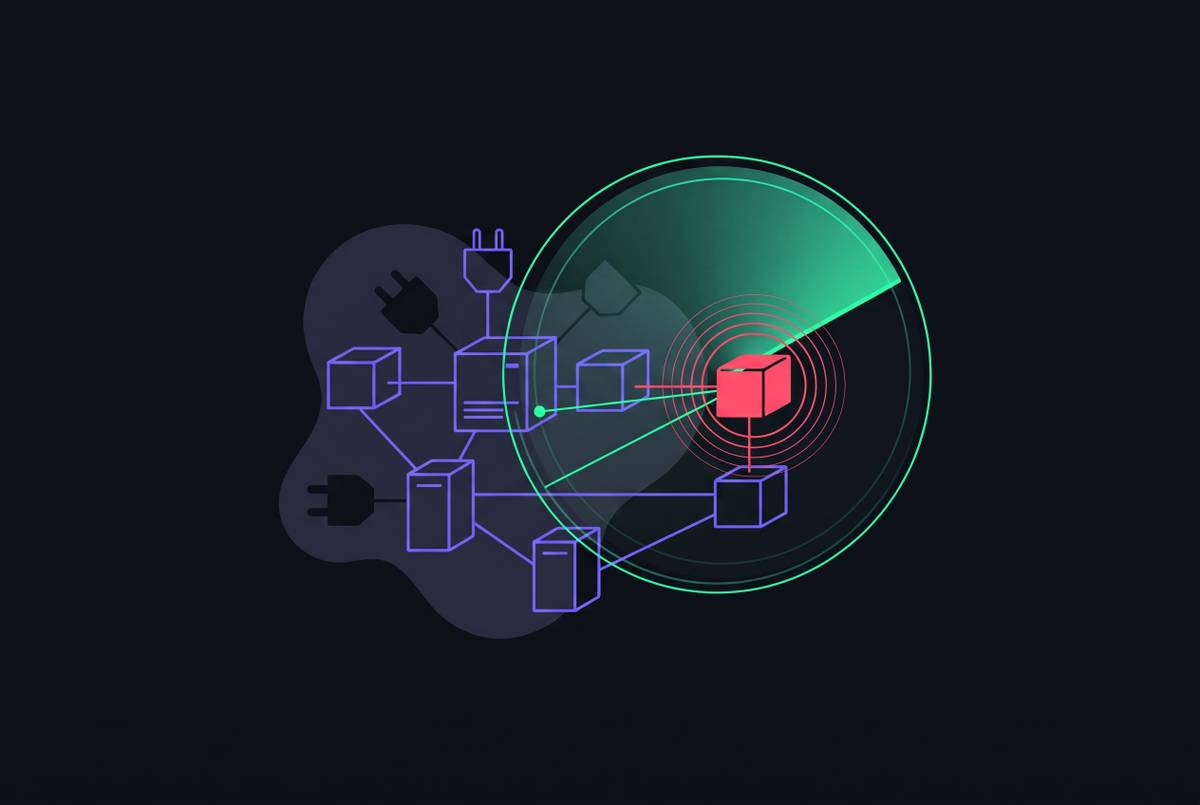
Network traffic patterns reveal hidden MCP servers before they become security threats.
A framework for securing enterprise AI agents across identity, integrity, and monitoring.
Security incidents in AI agents span tool execution, memory.
Registry scores assess servers before connection, but enforcement at runtime remains essential.
Centralized monitoring closes the gaps in agent security that fragmented team dashboards cannot see.
Tiered risk classification and async state management replace single-gate reviews.
Ephemeral AI agents need per-action identity and authorization enforcement outside themselves.
Vendors catch some MCP threats but miss critical gaps in supply chain and tool poisoning attacks.
Enterprises need a new identity framework designed for how AI agents actually work.
Security teams need separate playbooks for internal shadow agents and external tool-poisoning risks.
Existing HIPAA rules already cover AI agents—no new law needed.
MCP servers lack built-in security, leaving agents vulnerable to sandbox escapes.
Agent actions need tied identities, not borrowed credentials.
Banks deploying AI agents now must map existing compliance rules to MCP's novel security risks.
New monitoring platforms fill a security gap that existed tools cannot see.
enterprises overlook authorization because the protocol leaves security entirely to implementers.