Enterprise AI Agent Deployment Patterns
Governance and audit trails separate production agents from prototypes.
Mira Okoro
Section
22 stories in Agentic AI Foundations.
Governance and audit trails separate production agents from prototypes.
Most MCP servers still use static keys instead of OAuth, creating widespread security risk.
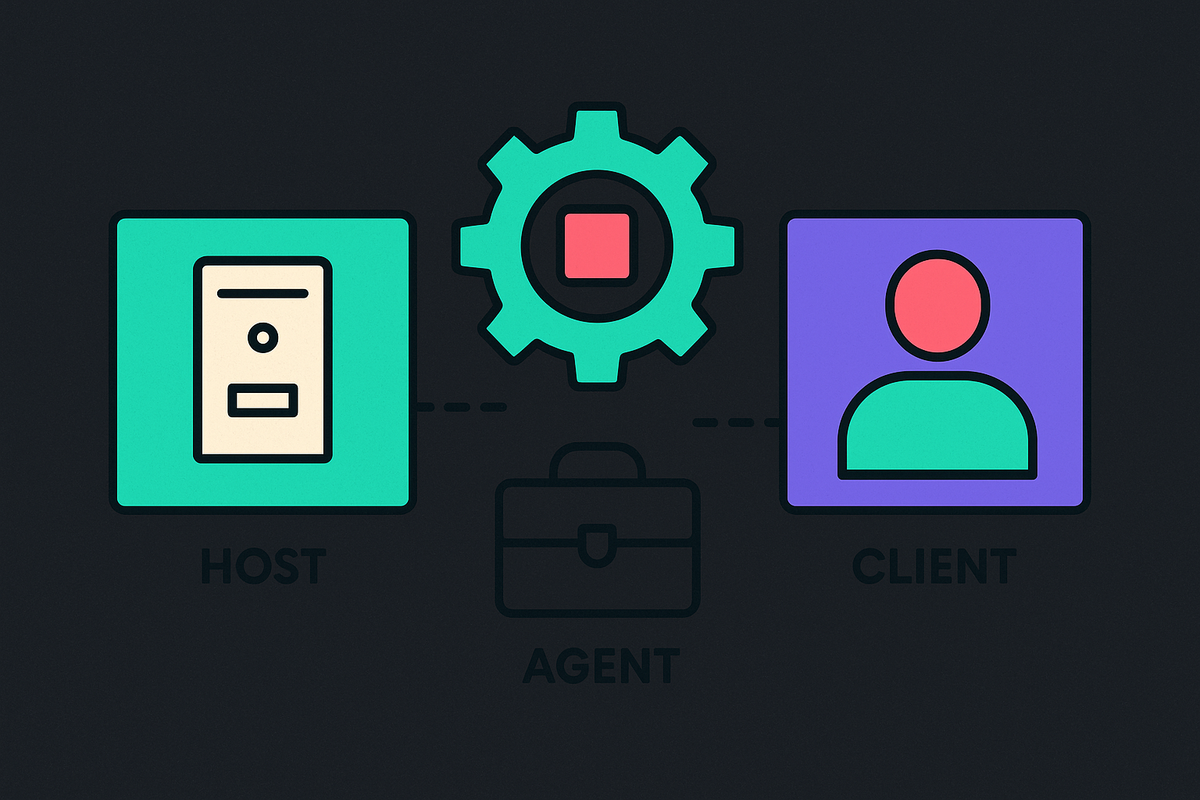
Mixing up host and client roles in MCP creates security gaps in production.
Native compatibility solves tool integration, but authentication and transport gaps remain.
Agents juggling multiple roles create governance gaps MCP doesn't solve.
Start with read-only workflows to build confidence before expanding agent permissions.
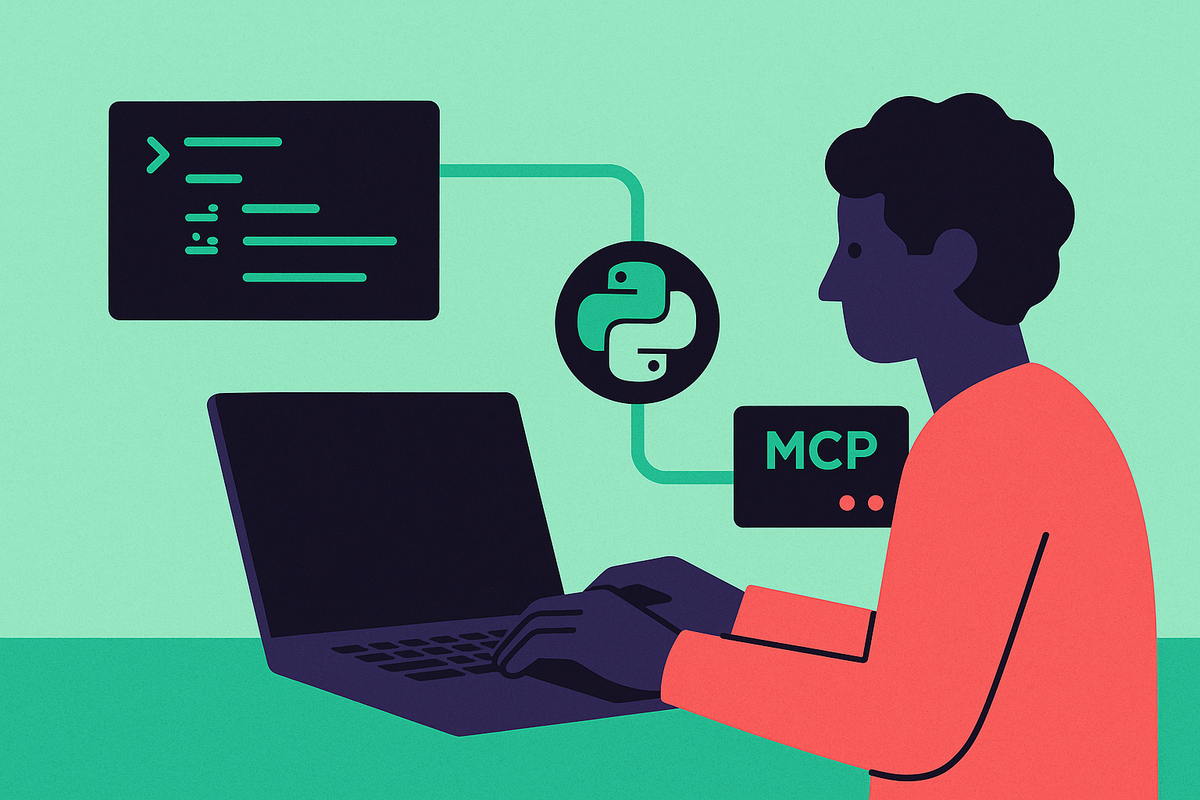
Building an MCP client forces security choices long before deployment matters.
Enterprises must architect MCP deployments around auth and identity, not just boxes and connections.
Attackers hide malicious instructions in tool descriptions that AI agents read but humans never see.
Enterprises are adopting open source AI agents faster than they can evaluate them responsibly.
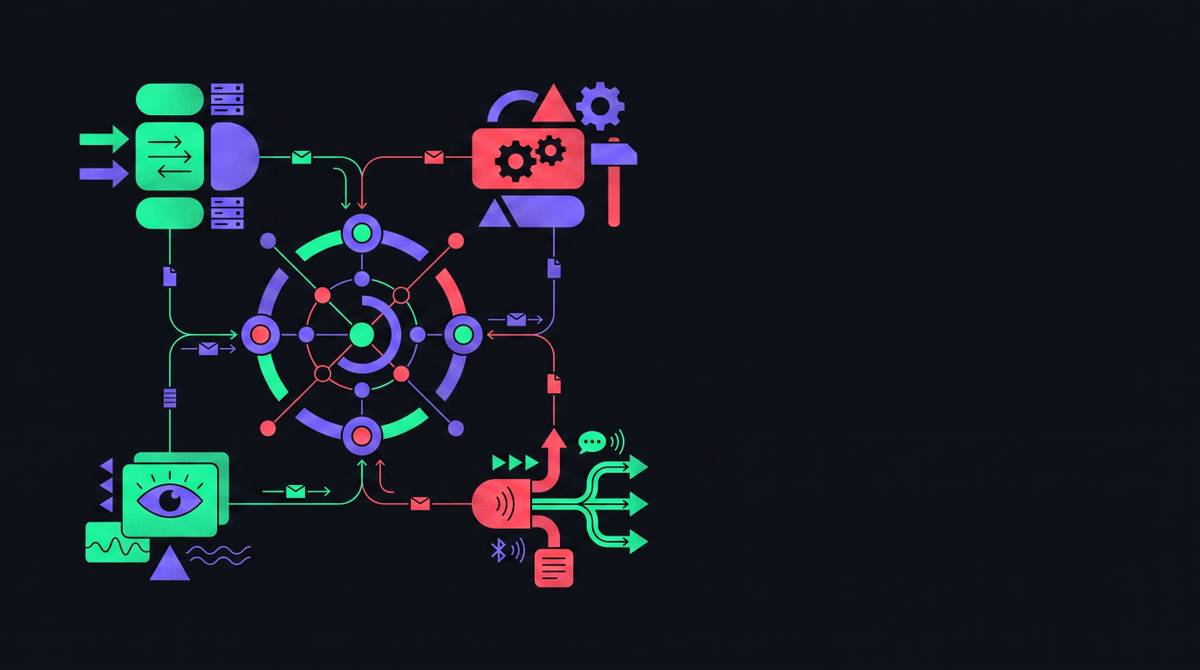
Enterprise multi-agent systems fail in the plumbing, not the models.
Orchestrated AI agents multiply the security risks each time they add a new system to the chain.
MCP collapses thousands of custom AI-to-data integrations into one reusable protocol.
Enterprise agents need MCP categories mapped clearly before deployment.
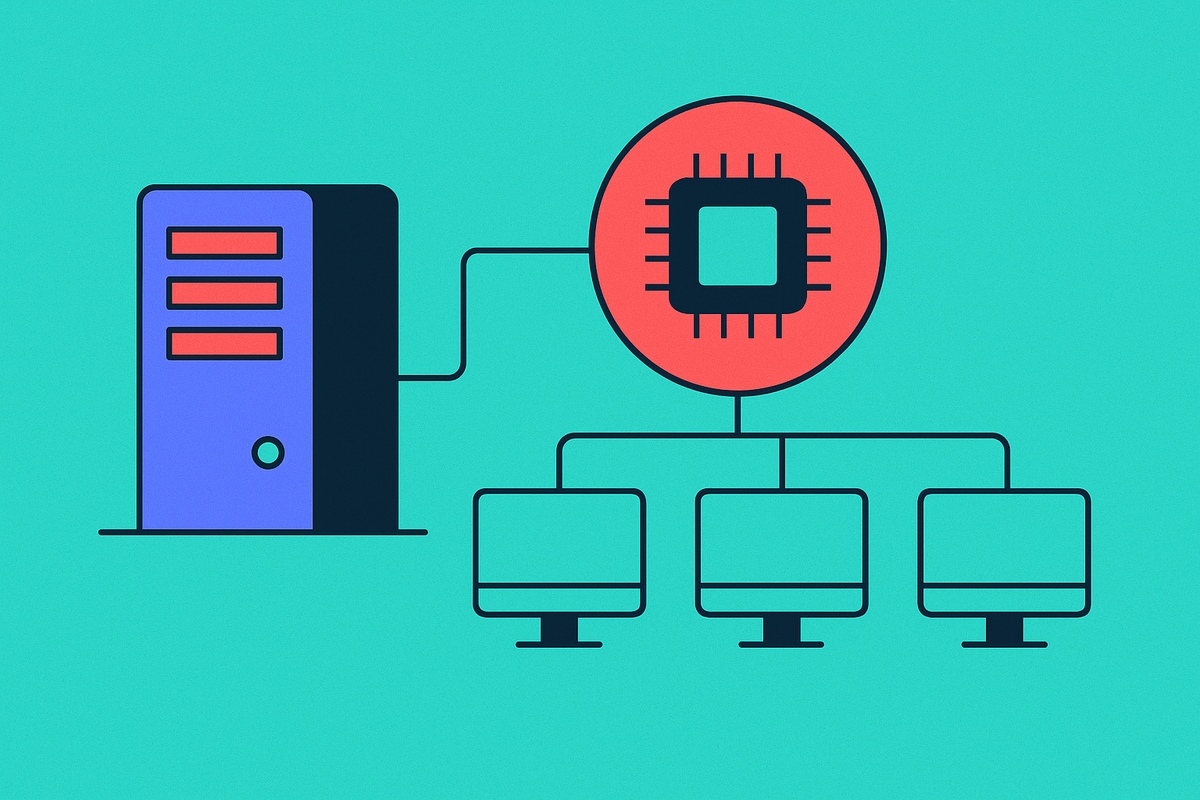
Four MCP client types exist, each solving different enterprise integration problems.
Agentic AI removes the human review buffer, turning reasoning errors into real-world consequences.
Most enterprises deploying AI agents lack adequate security for the threat surface they create.
Non-technical workers are delegating execution inside systems they don't fully understand.
Narrow, task-specific agents are outperforming broad ones in production.
Governance gaps in enterprise AI deployments create business risk, not just audit concerns.
Enterprises must evaluate MCP servers carefully as they rapidly become production infrastructure.
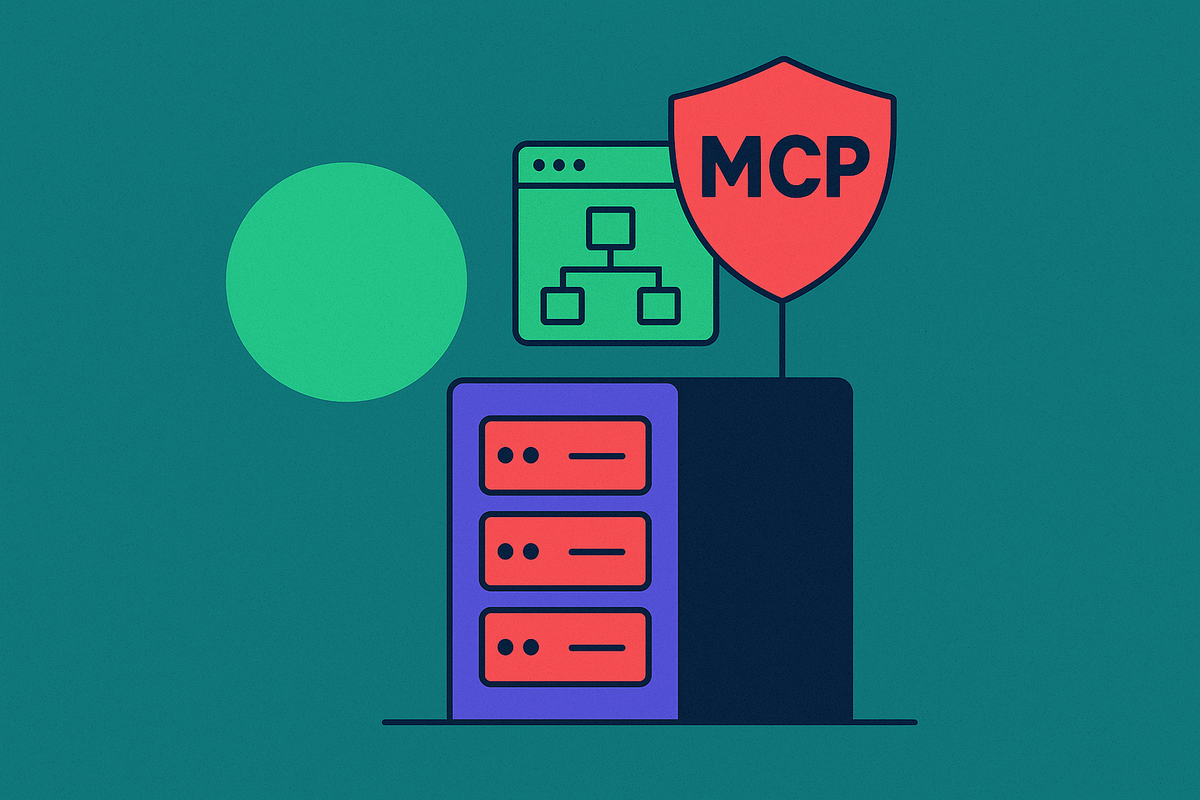
MCP collapses N×M integration sprawl into a stateful JSON-RPC protocol for AI and external systems.